Exploring the ins and outs of Commercial Auto Policy for Small Businesses, this introduction aims to captivate readers with insightful information that sheds light on the importance of having the right coverage.
Detailing the various aspects of commercial auto policies and how they differ from personal insurance, this guide sets the stage for a comprehensive understanding of the topic.
Overview of Commercial Auto Policy
Commercial auto policies are essential for small businesses that rely on vehicles for their operations. These policies provide coverage for vehicles used for business purposes, protecting the business from financial losses in case of accidents or damages.
Key Components of Commercial Auto Policy
- Liability Coverage: Protects the business from claims and lawsuits resulting from accidents where the business is at fault.
- Collision Coverage: Covers damages to the business vehicle in case of a collision with another vehicle or object.
- Comprehensive Coverage: Provides protection for non-collision incidents such as theft, vandalism, or natural disasters.
- Uninsured/Underinsured Motorist Coverage: Covers damages if the other party involved in an accident does not have insurance or enough coverage.
Why Small Businesses Need Separate Commercial Auto Policies
Small businesses need separate commercial auto policies because personal auto insurance typically does not cover vehicles used for business purposes. Having a dedicated commercial auto policy ensures that the business is adequately protected in case of accidents or damages during work-related activities.
Scenarios Requiring Commercial Auto Coverage
- A catering company using vans to deliver food to events.
- A landscaping business using trucks to transport equipment to job sites.
- A courier service using cars for deliveries to clients.
Types of Coverage Available
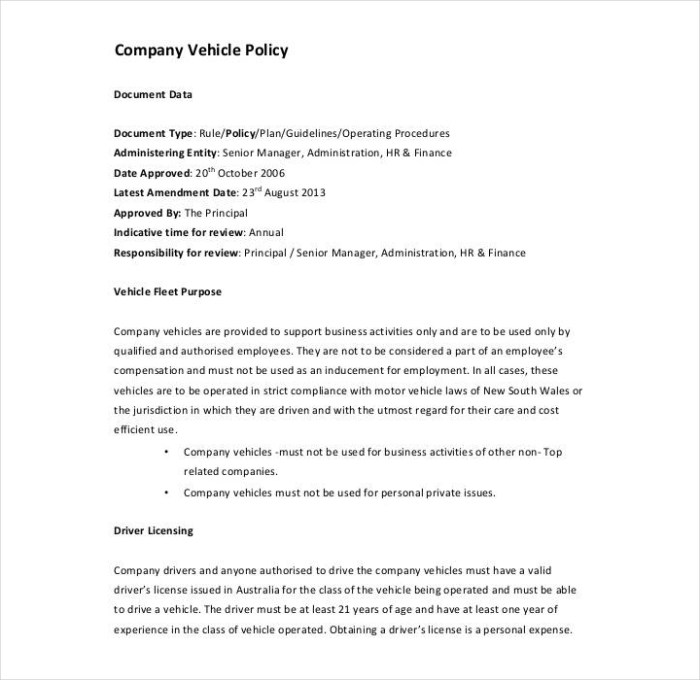
When it comes to a commercial auto policy for small businesses, there are various types of coverage options available to protect your vehicles and assets. Let's take a closer look at the different types of coverage and how they can benefit your small business.
Liability Coverage
Liability coverage is essential in a commercial auto policy as it protects your business in case you or your employees are at fault in an accident that causes injury or property damage to others. This coverage helps cover legal fees, medical expenses, and repair costs for the other party involved.
Collision Coverage
Collision coverage is designed to help repair or replace your vehicle if it is damaged in a collision with another vehicle or object. This coverage is crucial for protecting your business assets and ensuring that your vehicles can get back on the road quickly after an accident.
Comprehensive Coverage
Comprehensive coverage provides protection for your vehicles in situations other than collisions, such as theft, vandalism, or natural disasters. This coverage is important for safeguarding your assets against unexpected events that could lead to costly repairs or replacements.
Uninsured/Underinsured Motorist Coverage
Uninsured/underinsured motorist coverage steps in to cover expenses if you or your employees are involved in an accident with a driver who doesn't have insurance or enough insurance to fully cover the damages. This coverage ensures that your business is protected even if the other party is unable to pay for the costs of the accident.
Factors Influencing Premiums
When it comes to commercial auto insurance for small businesses, several factors can influence the premiums that you pay. Understanding these factors can help you make informed decisions to manage your insurance costs effectively.
Number of Vehicles
The number of vehicles your business owns and operates is a significant factor in determining your insurance premiums. Generally, the more vehicles you have, the higher your premiums will be. Insurers consider the increased risk of accidents and claims that come with a larger fleet.
Consider consolidating your vehicles or optimizing your routes to minimize the number of vehicles on the road, if possible.
Driving Records of Employees
The driving records of your employees who operate the company vehicles also play a crucial role in determining insurance premiums. Insurers assess the risk associated with each driver based on their past driving history. Encouraging safe driving practices and conducting regular driver training programs can help improve driving records and potentially lower your insurance costs
Type of Business
The type of business you operate can impact your commercial auto insurance premiums. Certain industries may be considered riskier than others due to the nature of their operations. For example, businesses involved in delivery services may face higher premiums compared to office-based businesses.
It's essential to accurately describe your business activities to your insurer to ensure you have the right coverage at the best possible rate.
Safety Measures and Training Programs
Implementing safety measures and training programs within your business can have a positive impact on your insurance premiums. By demonstrating a commitment to safety, you show insurers that you are proactive in minimizing risks and potential claims. Installing safety equipment in vehicles, conducting regular maintenance checks, and providing safety training to employees are effective ways to lower insurance costs.
Tips for Reducing Insurance Costs
- Shop around and compare quotes from multiple insurers to find the most competitive rates.
- Consider increasing deductibles to lower premiums, but make sure you can afford the out-of-pocket costs in case of a claim.
- Bundle your commercial auto insurance with other business policies for potential discounts.
- Review your coverage regularly to ensure you are not paying for unnecessary add-ons.
- Encourage safe driving practices among your employees to maintain good driving records and potentially qualify for lower premiums.
Filing a Claim and the Claims Process
When it comes to filing a claim for a commercial auto policy, there are specific steps that small businesses need to follow to ensure a smooth process. It is essential to document incidents accurately and provide all the necessary information to the insurance company promptly.
Steps in Filing a Claim
- Contact your insurance provider as soon as possible after an incident occurs to report the claim.
- Provide detailed information about the incident, including the date, time, location, and parties involved.
- Submit any relevant documentation, such as police reports, photographs, and witness statements.
- Cooperate with the insurance company's investigation and provide any additional information they request.
Importance of Accurate Documentation
- Accurate documentation is crucial for the claims process as it helps establish the facts of the incident and determine liability.
- Providing accurate information can prevent delays in the claims process and ensure a fair resolution.
Claims Process and Settlement
- After filing a claim, the insurance company will investigate the incident to determine coverage and liability.
- Insurance adjusters will assess the damages, injuries, and liability to come to a settlement amount.
- Once a settlement is reached, the insurance company will issue the payment to cover the losses incurred.
Expedite the Claims Process
- Respond promptly to any requests or inquiries from the insurance company to avoid delays.
- Keep detailed records of all communication and documentation related to the claim for easy reference.
- Work closely with your insurance agent to understand the process and ensure a fair resolution.
Closing Summary
Wrapping up our discussion on Commercial Auto Policy for Small Businesses, this conclusion highlights key takeaways and provides a concise summary of the essentials covered in this guide.
Frequently Asked Questions
What are the key components of a commercial auto policy?
The key components typically include liability coverage, collision coverage, comprehensive coverage, and uninsured/underinsured motorist coverage.
How can small businesses reduce insurance costs without compromising coverage?
Implementing safety measures, providing training programs, and having a good driving record can help lower insurance premiums for small businesses.